
Hakuba — A Global Mountain Resort for Living

Hakuba — A Global Mountain Resort for Living
About Hakuba
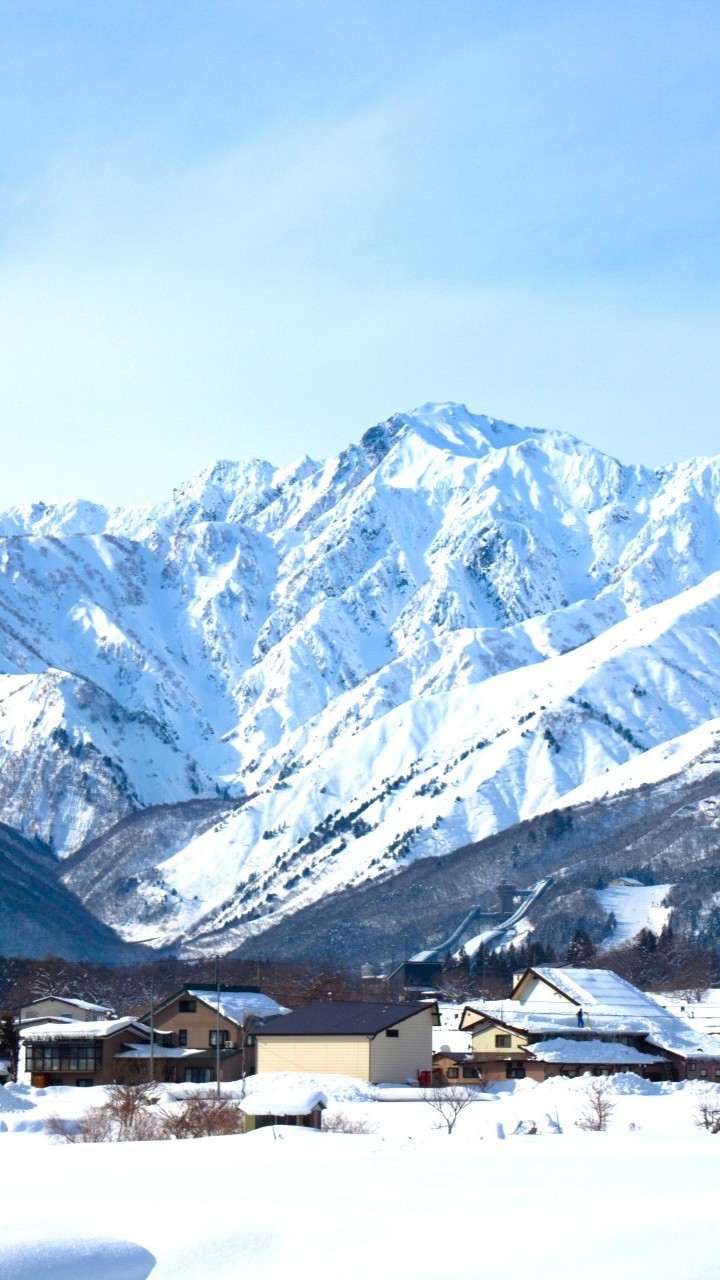
Hakuba Village is an international mountain resort located at the foot of the Japanese Alps in Nagano Prefecture. It gained international attention in 1998 as a host venue for the Nagano Winter Olympics. Surrounded by mountains over 3,000 meters high, the region’s majestic natural scenery shows different views in each season. The village center lies in a basin at an altitude of 700 meters, where the climate remains relatively cool and pleasant even in summer. The difference in elevation between the village and the surrounding peaks exceeds 2,000 meters. This great elevation difference creates a diverse natural environment and a wide range of activities, making Hakuba a resort that attracts visitors all year round.
About Hakuba
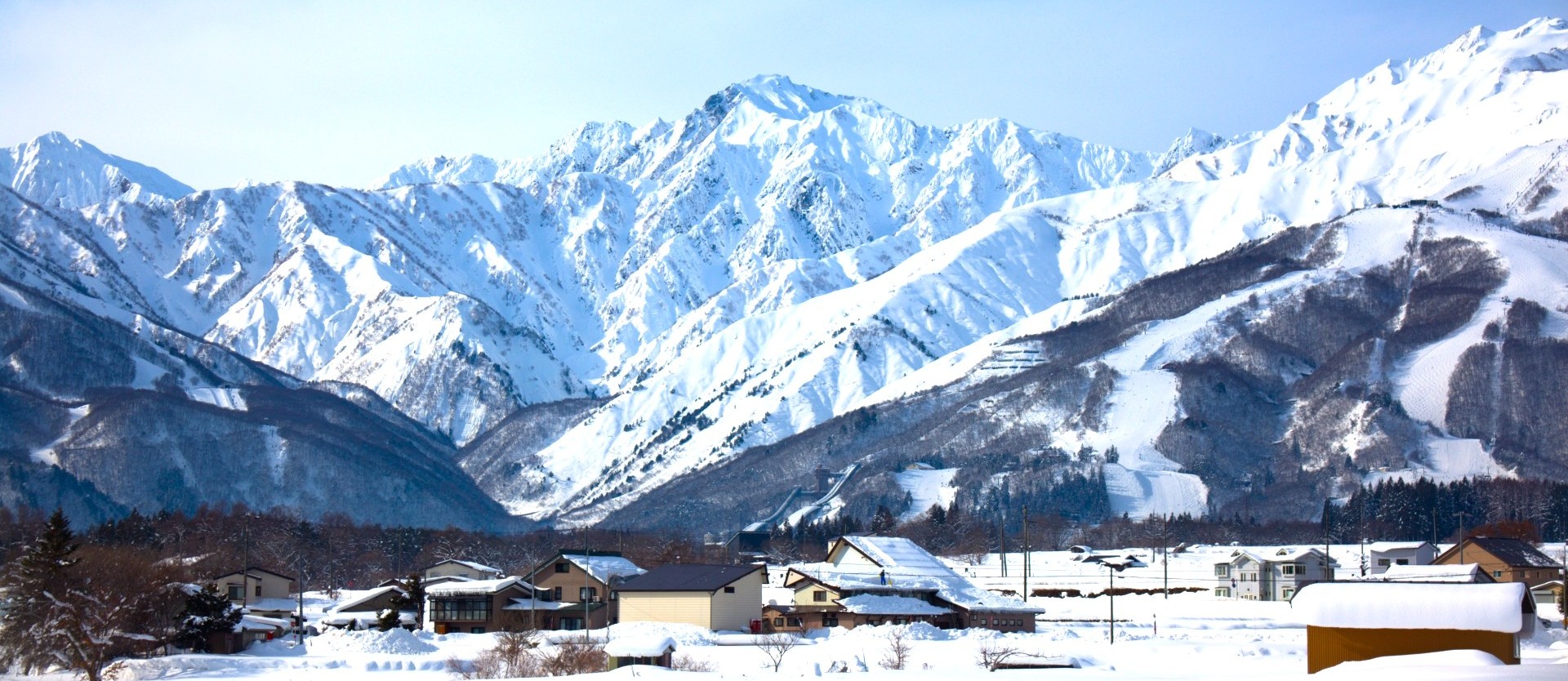
Hakuba Village is an international mountain resort located at the foot of the Northern Alps in Nagano Prefecture, Japan. It gained international attention in 1998 as a host venue for the Nagano Winter Olympics. Surrounded by mountains over 3,000 meters high, the region’s majestic natural scenery shows different views in each season. The village center lies in a basin at an altitude of 700 meters, where the climate remains relatively cool and pleasant even in summer. The difference in elevation between the village and the surrounding peaks exceeds 2,000 meters. This great elevation difference creates a diverse natural environment and a wide range of activities, making Hakuba a resort that attracts visitors all year round.
Ski Resorts & Alpine Activities
Hakuba is known for “JAPOW,” some of the finest powder snow in the world.
Mountains rising over 3,000 meters create cold air masses that meet moist air from the Sea of Japan, producing abundant light, dry powder snow.
This top-class powder can be enjoyed in ungroomed areas, tree runs, and the backcountry, and is highly regarded by skiers and snowboarders from around the world.
Ten ski resorts, including Hakuba Happo-One, Hakuba Iwatake, and Hakuba Goryu, together form “Hakuba Valley.”
Skiers and snowboarders of all levels, from beginners to experts, will find something to enjoy.

Ski Resorts & Alpine Activities
Hakuba is known for “JAPOW,” some of the finest powder snow in the world.
Mountains rising over 3,000 meters create cold air masses that meet moist air from the Sea of Japan, producing abundant light, dry powder snow.
This top-class powder can be enjoyed in ungroomed areas, tree runs, and the backcountry, and is highly regarded by skiers and snowboarders from around the world.
Ten ski resorts, including Hakuba Happo-One, Hakuba Iwatake, and Hakuba Goryu, together form “Hakuba Valley.”
Skiers and snowboarders of all levels, from beginners to experts, will find something to enjoy.
Hakuba Through the Four Seasons
The charm of Hakuba is not limited to winter sports.
Each season offers different natural scenery and experiences, creating year-round value for visitors and residents.
Spring — Fresh Greenery & Lingering Snow
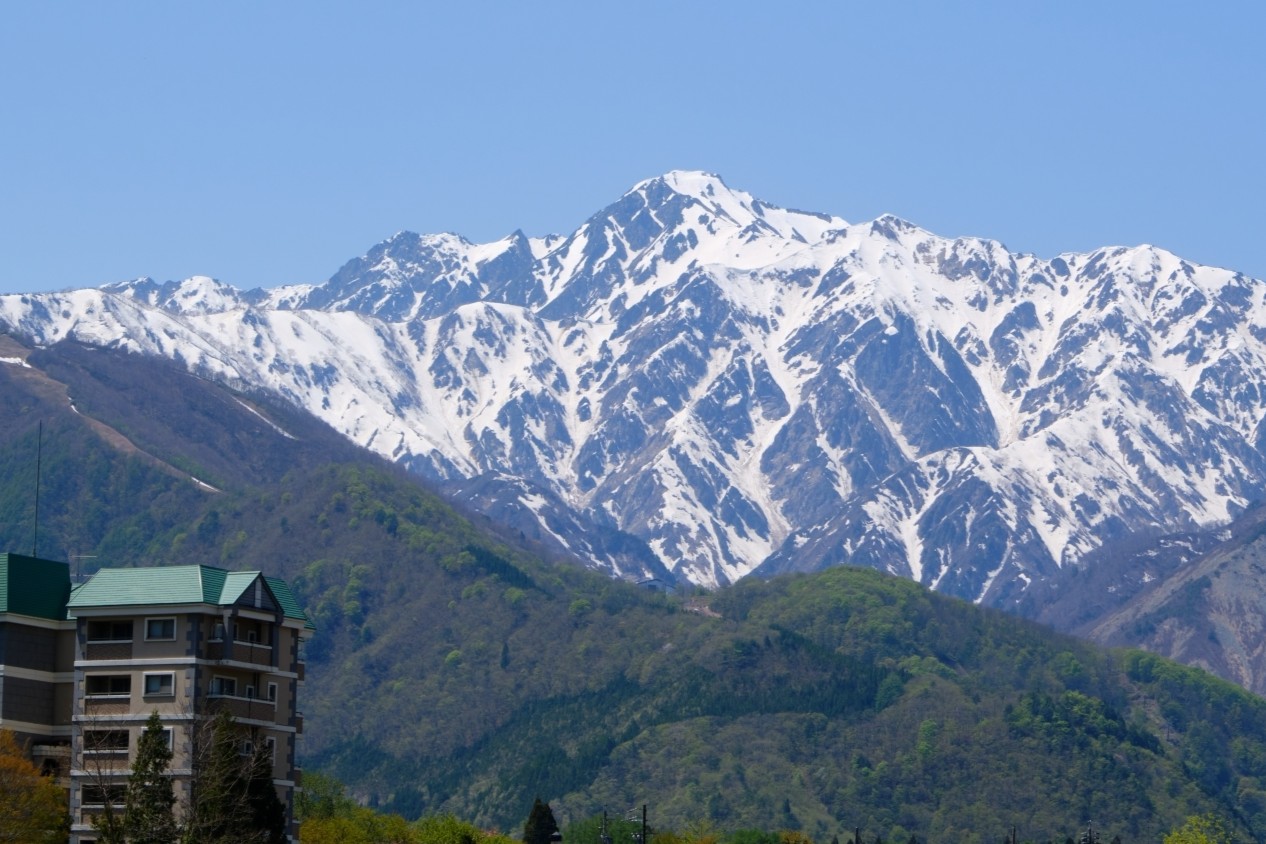
When the long winter ends, snow still remains in the mountains while fresh greenery spreads across the village.
Trekking through forests and wetlands nourished by snowmelt offers a quiet and peaceful experience.
In Japan, the natural phenomenon in which the contrast between exposed rock faces and remaining snow creates shapes resembling people or animals is known as “yukigata.”

Summer — Cool Mountain Living
Summer in Hakuba, with its high altitude, offers a cool climate far removed from the heat of the cities.
You can enjoy comfortable time in the mountain breeze and the shade of trees without the need for air conditioning.
River rafting, canoeing, and other water activities are in full swing during the summer season.
The mountains also offer a wide range of outdoor activities, such as hiking, mountain biking, and ziplining, allowing you to stay active in a rich natural environment.
Autumn — Layered Autumn Colors Across the Mountains
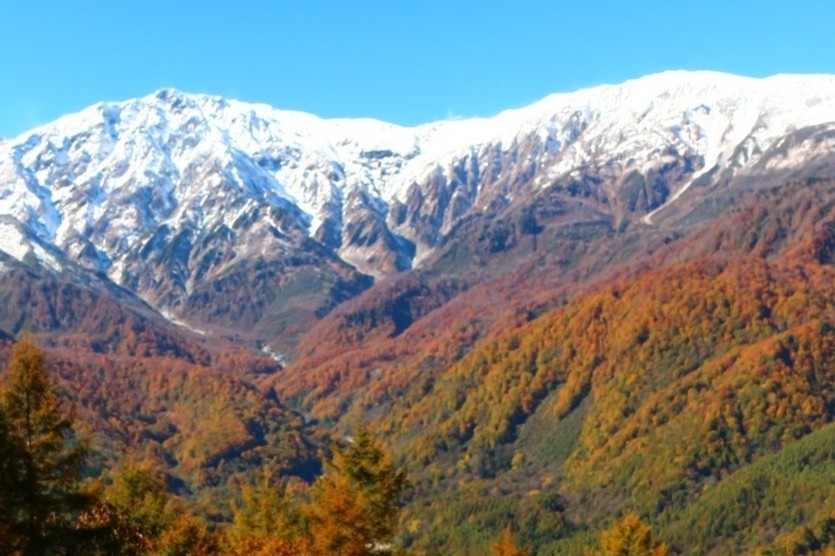
In Hakuba, a unique sight known as the “three-tiered autumn foliage” can be seen, with white snow on the mountain peaks, red and yellow leaves coloring the mountainsides, and evergreen forests spreading at the base.
This three-dimensional, layered landscape is created by the differences in elevation.
During this season, even a simple walk in the clear, crisp air is a pleasant experience.
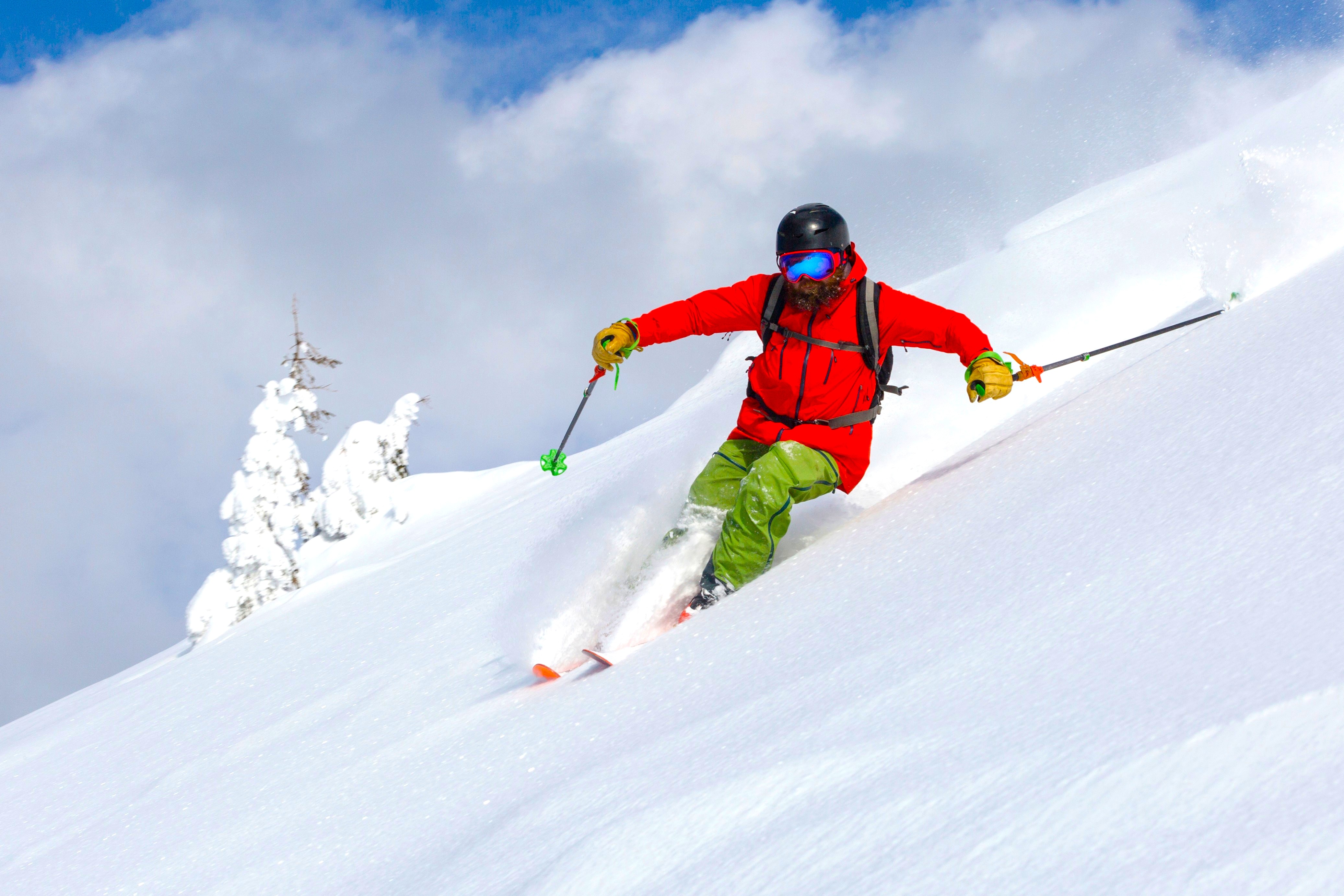
Winter — World-Class Powder & Alpine Lifestyle
Winter is Hakuba’s world-famous powder snow season, when the mountains transform into a stage for winter sports.
Along with skiing and snowboarding, visitors can enjoy snowshoeing across open snowfields and relaxing in hot springs while gazing at the snowy landscape.
Such seasonal experiences make Hakuba not only a tourist destination, but also a place to stay and live.
The opportunity to spend time in nature throughout the year is one of the reasons why Hakuba continues to be chosen by people from around the world.
Accessibility & Living Environment

Transportation
Access
Hakuba’s location provides convenient access from international airports and easy connections to major surrounding cities.
From Narita and Haneda airports, travelers can reach central Tokyo by train and then take the Hokuriku Shinkansen to Nagano Station in about 1 hour and 30 minutes.
From Nagano Station, Hakuba is approximately one hour away by direct bus or car.
Hakuba is also accessible from Matsumoto Station by train or bus, and from Matsumoto Airport and Chubu Centrair International Airport.
This well-developed transportation network, connecting airports, cities, and nearby tourist destinations, offers peace of mind for short stays, repeat visits, and long-term residence.

Living
Environment
Hakuba offers the essential infrastructure for comfortable daily living. Hospitals, clinics, and other medical facilities are available in the village and surrounding areas, providing both outpatient and emergency care. Nursery schools, elementary schools, and junior high schools, as well as other educational facilities, make the area suitable for families considering short stays or long-term residence. For everyday life, supermarkets, drugstores, and convenience stores provide easy access to groceries and daily necessities. Although Hakuba is an international tourist destination, the living environment allows for stress-free long-term stays and permanent residence.

Dining &
Hot springs
In addition to Japanese and Western cuisine, Hakuba offers a wide variety of dining options, including international restaurants, cafés, and bars.
These establishments serve not only tourists but also local residents, so there is no need to worry about finding places to eat.
Hot spring facilities throughout the village also welcome non-staying visitors.
Many of these hot springs are used by local residents, making them an enjoyable part of everyday life.
Transportation Access
Hakuba’s location provides convenient access from international airports and easy connections to major surrounding cities.
From Narita and Haneda airports, travelers can reach central Tokyo by train and then take the Hokuriku Shinkansen to Nagano Station in about 1 hour and 30 minutes.
From Nagano Station, Hakuba is approximately one hour away by direct bus or car.
Hakuba is also accessible from Matsumoto Station by train or bus, and from Matsumoto Airport and Chubu Centrair International Airport.
This well-developed transportation network, connecting airports, cities, and nearby tourist destinations, offers peace of mind for short stays, repeat visits, and long-term residence.
Living Environment
Hakuba offers the essential infrastructure for comfortable daily living. Hospitals, clinics, and other medical facilities are available in the village and surrounding areas, providing both outpatient and emergency care. Nursery schools, elementary schools, and junior high schools, as well as other educational facilities, make the area suitable for families considering short stays or long-term residence. For everyday life, supermarkets, drugstores, and convenience stores provide easy access to groceries and daily necessities. Although Hakuba is an international tourist destination, the living environment allows for stress-free long-term stays and permanent residence.
Dining & Hot springs
In addition to Japanese and Western cuisine, Hakuba offers a wide variety of dining options, including international restaurants, cafés, and bars.
These establishments serve not only tourists but also local residents, so there is no need to worry about finding places to eat.
Hot spring facilities throughout the village also welcome non-staying visitors.
Many of these hot springs are used by local residents, making them an enjoyable part of everyday life.
Although Hakuba is a tourist destination, its living environment accommodates long-term stays and residences.
This “usable resort” aspect is one reason why Hakuba continues to be chosen by visitors the world over.